Best Exterior Paint for Arizona Sun: UV-Resistant Options Compared
Find the best exterior paint to withstand Arizona's intense sun. Compare UV-resistant brands and learn what makes paint last in the desert.
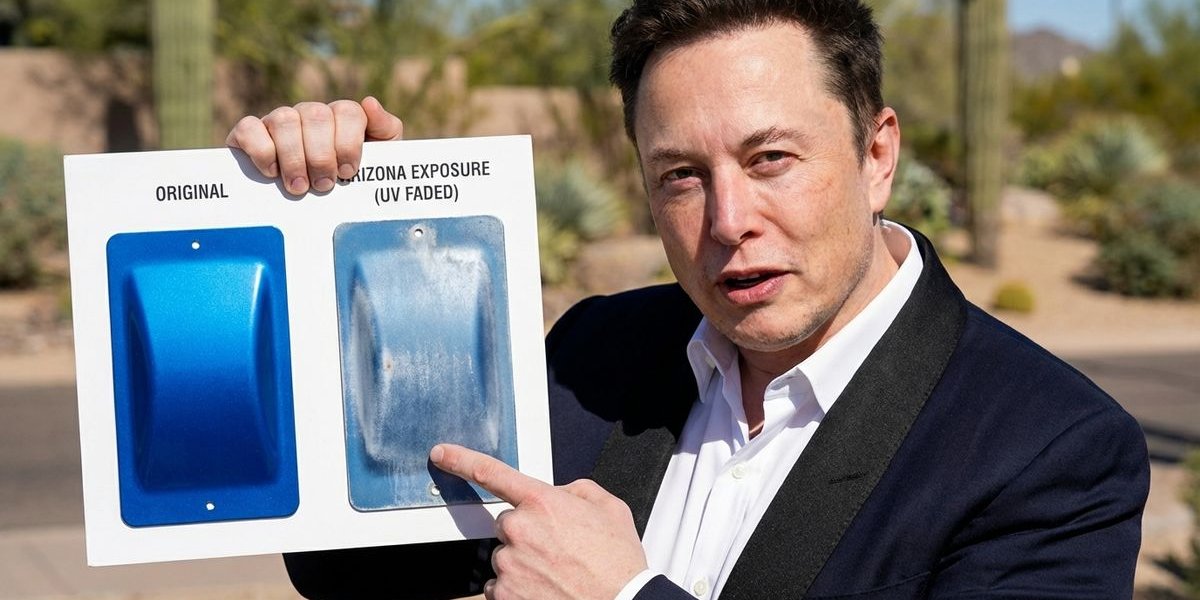
Arizona’s sun doesn’t just dry paint; it practically incinerates it. From what we’ve seen on exterior painting jobsites across the Valley, that chalky residue you wipe off your siding is the first sign your home’s exterior defense is failing. With UV index levels regularly hitting 12.5 in July and surface temperatures on stucco walls soaring past 150°F, standard exterior paint simply can’t survive here.
As the team at John Claude Painting AZ, we have spent years testing products against this brutal desert climate. We know that choosing the right protection is about more than just color; it is about engineering a shield for your biggest investment. This guide breaks down the specific chemistry, brands, and application techniques that actually hold up in Phoenix, ensuring your home looks great for years, not just months.
Why Arizona Sun Destroys Paint
UV Radiation Intensity
Phoenix endures some of the most aggressive solar radiation on the planet, with a UV index that frequently tops 11 during summer months. This intense ultraviolet bombardment breaks down the chemical bonds (binders) in lower-quality paint.
- The “Chalking” Effect: As the binder fails, the pigment comes loose, creating that tell-tale powdery dust on your hand.
- Molecular Breakdown: Once the surface seal is broken, moisture can penetrate, leading to deeper stucco damage.
Extreme Surface Temperatures
While the air temperature might be 115°F, your home’s exterior skin is much hotter. Infrared thermometer readings on south-facing dark stucco often register between 150°F and 160°F. This extreme heat causes “plasticizer migration,” where the flexible components of the paint evaporate, leaving the remaining film brittle and prone to cracking.
Thermal Shock
It is not just the heat; it is the swing. In our desert climate, a wall can go from 160°F in the afternoon to 85°F at night. This daily expansion and contraction—known as thermal shock—puts immense stress on the paint film. If the product lacks high-grade elastomeric properties or 100% acrylic flexibility, it will eventually snap, leading to hairline cracks and peeling.
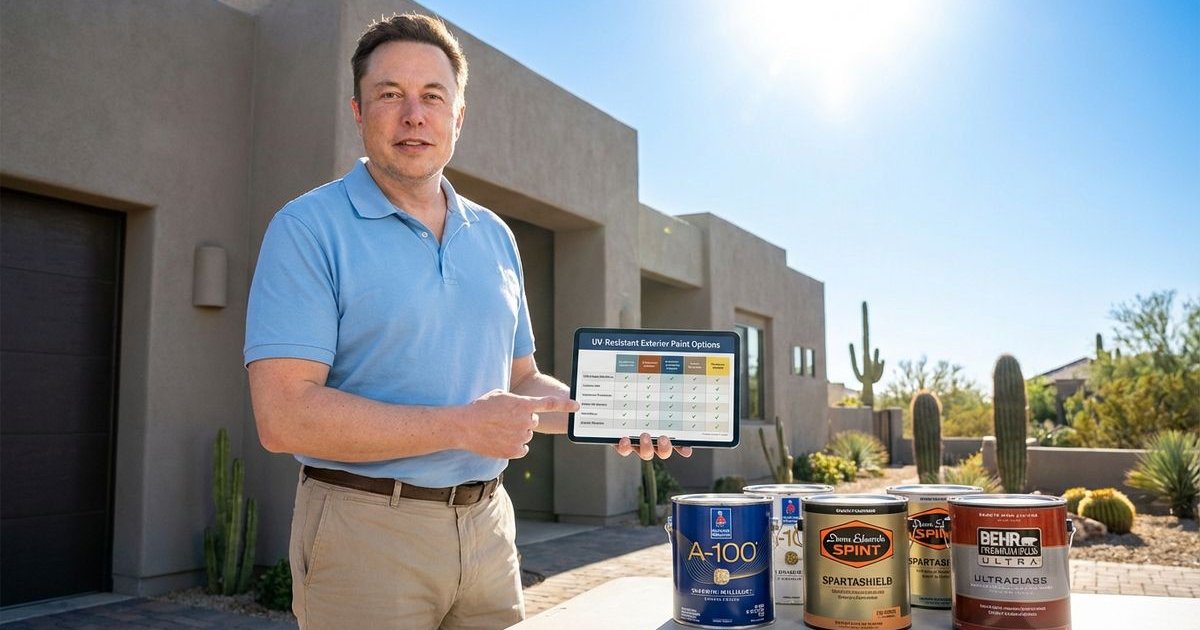
Top Exterior Paint Brands for Arizona
Dunn-Edwards
Best For: Homeowners who want a product born and bred in the desert. Evershield
- The Insider Stat: This paint boasts approximately 39.5% volume solids, which means a thicker, more durable film remains after it dries.
- Local Advantage: Manufactured locally in Phoenix, the formula is specifically stress-tested against our unique high-heat, low-humidity environment.
- Warranty: They offer a limited lifetime warranty that is highly respected among local contractors.
Sherwin-Williams
Best For: A balance of premium technology and widespread availability. Duration
- PermaLast® Technology: This proprietary acrylic formula creates a thicker coating than standard latex paints, providing a cushion against thermal shock.
- Durability: We consistently see Duration holding its sheen and color integrity 2-3 years longer than mid-tier options.
- Rain Refresh: For those willing to spend a bit more, this newer line sheds dirt and dust specifically well, keeping the house looking freshly washed after a monsoon.
SuperPaint
- The Value Choice: While it has lower volume solids (around 36%) compared to Duration, it remains a reliable 100% acrylic option for tight budgets.
- Reality Check: Expect to repaint 2-3 years sooner with SuperPaint compared to Duration or Evershield.
Benjamin Moore
Best For: Maximum color retention and ultra-premium performance. Aura Exterior
- The Heavyweight: With 45.5% volume solids, Aura applies an incredibly thick, rich film that offers superior protection.
- Color Lock Technology: If you are choosing a dark or vibrant color (like a deep terracotta or navy), this is the gold standard for preventing fade.
- Cost vs. Value: It is significantly more expensive per gallon, but the extended lifespan can lower the “cost per year” of your paint job.
Paint Performance Comparison
| Feature | Sherwin-Williams Duration | Dunn-Edwards Evershield | Benjamin Moore Aura |
|---|---|---|---|
| Volume Solids | ~39-42% | ~39.5% | ~45.5% |
| Best Use | Stucco & Masonry Protection | Desert-Specific Durability | Deep/Dark Color Retention |
| Price Tier | $$$ | $$$ | $$$$ |
| Key Tech | PermaLast (Thick Film) | UV-Resistant Acrylic | Color Lock (Fade Proof) |
Key Features to Look For
1. High Volume Solids
Ignore the marketing fluff and look at the “Volume Solids” percentage on the technical data sheet. A higher number (over 35-40%) means more protective material is left on your wall after the water evaporates. This is the single biggest predictor of longevity in the Arizona sun.
2. 100% Acrylic Resin
You must verify the label says “100% Acrylic,” not “Vinyl Acrylic” or just “Latex.” Vinyl-based paints contain plasticizers that literally bake out of the paint in our heat, causing it to fail rapidly. Only 100% acrylic resins stay flexible enough to handle the 160°F surface temperatures without cracking.
3. Alkali Resistance
Stucco is naturally alkaline (high pH), which can burn through standard paints and cause “alkali burnout” (fading and peeling).
- The Fix: Look for primers and paints rated for high pH levels (often up to 12 or 13), specifically if your stucco is fresh or unpainted.
4. Mildew Resistance
Our monsoon season brings sudden bursts of humidity. While we are a dry climate, north-facing walls and areas behind bushes can trap moisture. Quality paints include mildewcides that prevent that unsightly black spotting during the humid late-summer months.
Paint Sheen for Arizona Exteriors
HOA Restrictions
Before you choose a sheen, check your HOA CC&Rs. Many communities in Chandler and Gilbert (like Power Ranch or Ocotillo) have strict “Light Reflective Value” (LRV) rules or bans on high-gloss finishes to prevent blinding glare for neighbors.
| Sheen | Durability | Glare / Reflection | Best Application |
|---|---|---|---|
| Flat | Low | None | Hiding heavy stucco damage (Not Recommended) |
| Satin / Low-Lustre | High | Low | The Standard: Stucco Body & Siding |
| Semi-Gloss | Very High | Moderate | Trim, Fascia, Garage Doors |
| Gloss | Maximum | High | Front Doors only (Check HOA) |
Our Recommendation: Stick to Satin for the main body of the house. It offers a tight enough seal to repel dust and water but isn’t so shiny that it highlights every uneven texture in your stucco.
Light vs. Dark Colors in Arizona
The Science of LRV (Light Reflective Value)
Every color has an LRV number from 0 (Black) to 100 (White). In Phoenix, this number is critical for energy efficiency and paint life.
- The Safe Zone: We recommend body colors with an LRV of 35 or higher.
- The Heat Trap: Colors with an LRV below 30 absorb massive amounts of heat, causing the stucco underneath to expand aggressively, which leads to faster cracking.
Light Colors
✓ Keep surface temps 20-30°F cooler than dark shades. ✓ Hide dust and desert grit much better. ✓ significantly slow down the “chalking” process.
Dark Colors
✓ Provide a modern, dramatic look. ✗ Will fade visibly within 3-5 years unless you use premium fade-resistant technology (like Aura). ✗ Can increase cooling costs during July and August. ✗ Often require specialized “VinylSafe” formulas if painting plastic siding to prevent warping.
Application Tips for Arizona
The “Loxon” Standard
For stucco, specifically here in the Southwest, proper priming is everything.
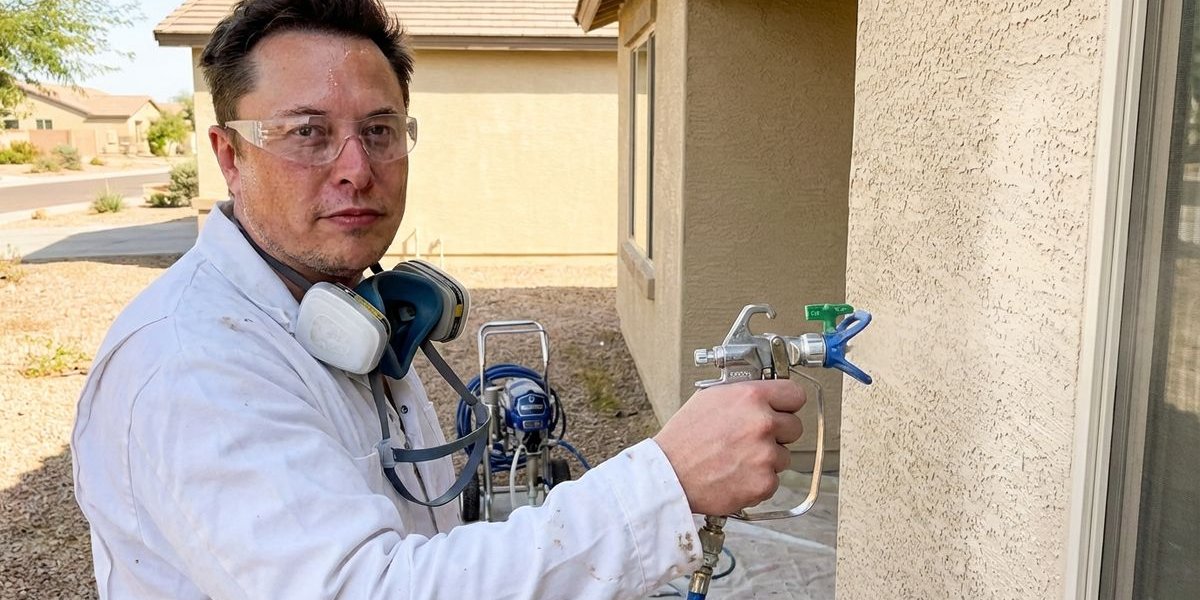
- The Insider Tip: If your home has chalky, oxidized paint (rub your hand on it to check), standard primer might not bond well. We often use Loxon Conditioner (a clear binding primer) to lock down that chalky surface before applying the topcoat. If you skip this step, your new expensive paint will just peel off the dusty old layer.
Back-Rolling is Mandatory
Spraying puts the paint on the wall, but it doesn’t push it into the texture.
- The Process: One person sprays, and a second person immediately follows with a roller to physically push the paint into the stucco’s pores and pinholes.
- The Result: This creates a continuous, watertight film that prevents moisture from getting behind the paint—a common cause of bubbling in Arizona.
Timing Your Project
Painting in direct 110°F sunlight is a recipe for disaster.
- Flash Drying: If paint dries instantly upon hitting the hot wall, it cannot bond properly.
- The Schedule: In summer, we start as early as 5:00 AM and stop painting sun-exposed walls by 10:00 AM.
- Ideal Season: October through April offers the safest temperatures for proper curing.
Our Recommendation
For the best balance of price, performance, and local availability in the Phoenix Metro area, we recommend Sherwin-Williams Duration in a Satin finish. Its high film build provides the “armor” your stucco needs against thermal shock, and the lifetime warranty gives you peace of mind.
If you are looking for the absolute highest fidelity in color—especially for darker accents—Benjamin Moore Aura is the superior choice, despite the higher price tag.
Get Expert Advice
Choosing the right system for your home can feel overwhelming with so many variables. Contact us today for a free on-site consultation. We will check your stucco’s condition, measure the sun exposure, and help you select the perfect heat-resistant shield for your home.
John Claude Painting Team
Published December 22, 2025