15 Best Interior Paint Colors for Arizona Desert Homes
Discover the best interior paint colors for Phoenix homes. From warm neutrals to cool tones, find colors that complement Arizona's desert light.
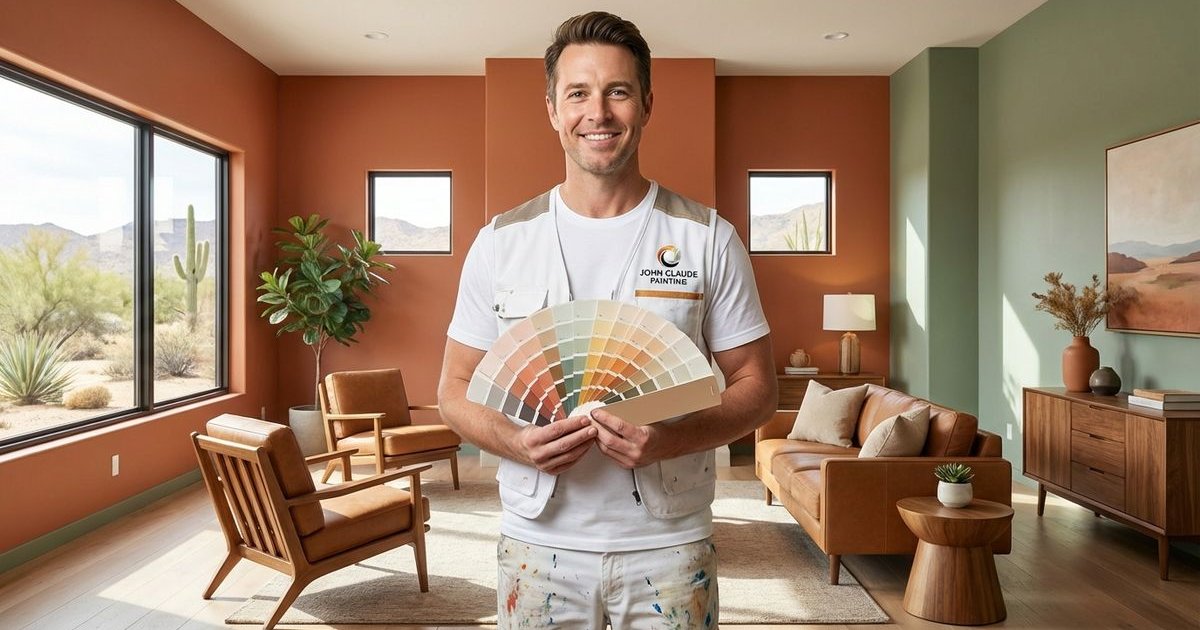
Arizona’s unique desert light creates special considerations for interior painting colors. The intense natural light and warm earth tones outside your windows should influence your choices inside.
Understanding Desert Light
Phoenix receives over 300 days of sunshine annually. This bright, warm light affects how colors appear indoors:
- Colors appear warmer - Cool blues may shift toward green
- Neutrals look richer - Beige and gray gain depth
- Bright colors intensify - Use bold colors sparingly
The Science of Sun and LRV
You might notice that a paint chip looks completely different in your living room than it did at the store. The intense UV exposure in the Metro-Phoenix area changes how we perceive pigment. Our team always checks the Light Reflectance Value (LRV) before recommending a shade.
LRV measures how much light a color reflects on a scale of 0 (black) to 100 (white). In bright Arizona homes, you generally want an LRV between 55 and 85 to manage glare without making the room feel like a cave.
Direction Matters
The direction your windows face changes the “temperature” of the light entering your home.
- North-Facing: Receives soft, indirect light that often reads blue or cool. Warmer colors help balance this.
- South-Facing: Gets intense, warm light all day. This can turn a subtle cream into a bright yellow.
- West-Facing: The “golden hour” sunset light in Gilbert or Ahwatukee can make warm colors feel overwhelmingly hot in the afternoon.
The 15 Best Colors for Arizona Interiors
Warm Neutrals
These shades are the backbone of the “Santa Barbara Tuscan” and “Modern Desert” styles popular in Chandler. They bridge the gap between stark modernism and cozy living.
1. Accessible Beige (SW 7036) A versatile warm beige that works beautifully with Arizona’s earth tones and natural wood elements. With an LRV of 58, it sits in the “sweet spot” for desert interiors. It creates a cozy atmosphere without being too dark.
2. Agreeable Gray (SW 7029) Despite its name, this gray has warm undertones that prevent it from feeling cold in our desert homes. It is currently the top-selling greige because it works with both cool tile floors and warm wood cabinets. The slight green undertone neutralizes the red hue often found in Arizona soil.
3. Alabaster (SW 7008) A creamy off-white that’s softer than pure white but still bright and airy. It has an LRV of 82, which means it reflects a significant amount of light. We often use this for walls in open-concept homes where you want a clean look without the clinical feel of a hospital.
| Color | LRV | Best Used For |
|---|---|---|
| Accessible Beige | 58 | Living rooms with Travertine floors |
| Agreeable Gray | 60 | Whole-house primary color |
| Alabaster | 82 | Kitchens and hallways |
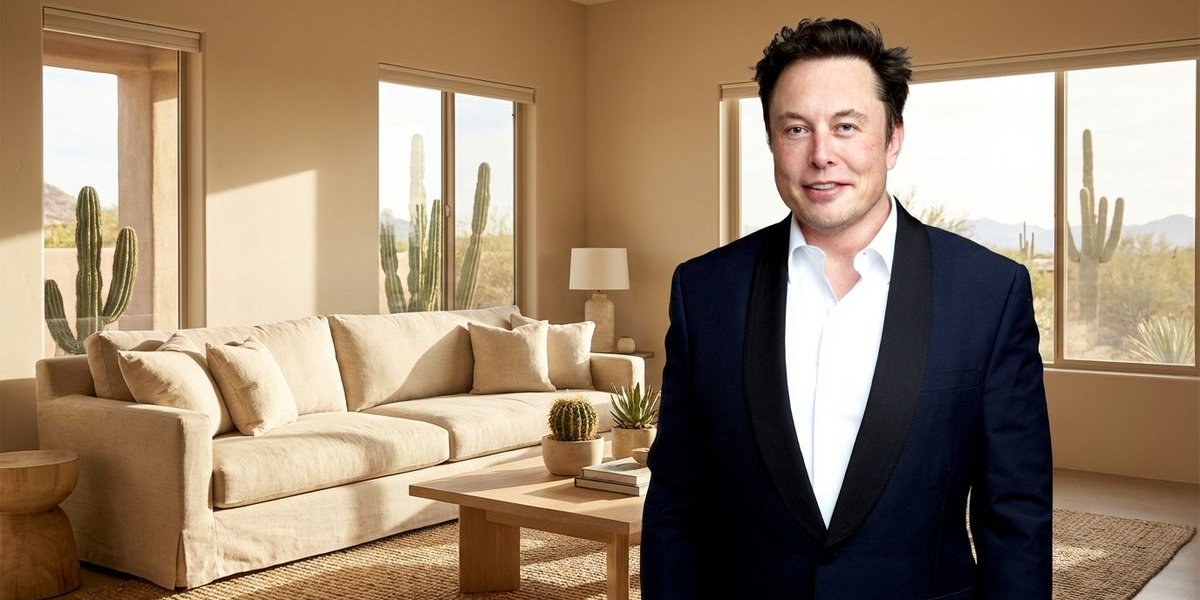
Earthy Tones
4. Balanced Beige (SW 7037) Connects your interior to the desert landscape visible through your windows. This color is slightly darker than Accessible Beige. It works exceptionally well in large rooms with high ceilings where lighter colors might look washed out.
5. Shiitake (SW 9173) A sophisticated mushroom gray-brown that feels organic and grounded. This shade is gaining popularity in 2026 for bedrooms. It pairs perfectly with the matte black fixtures and natural wood trends we see in new Gilbert builds.
6. Warm Stone (SW 7032) Evokes the natural sandstone found throughout Arizona. It creates a solid, comforting backdrop for leather furniture or woven textiles.
Cool Tones That Work
7. Sea Salt (SW 6204) A subtle blue-green that brings a cooling sensation without feeling out of place. The LRV of 63 keeps it light enough for small spaces. We love using this in bathrooms to counter the heat of the day with a psychological “cooling” effect.
8. Silver Strand (SW 7057) A sophisticated gray with hints of green that balances Arizona’s warmth. This color is a chameleon. In the morning light, it looks crisp and gray, but in the afternoon sun, the green notes come forward to connect with outdoor cactus landscaping.
9. Comfort Gray (SW 6205) A soft gray-green that creates calm, spa-like spaces. It is a darker version of Sea Salt. This shade works well in master bedrooms where you want a more saturated color to block out the brightness.
Desert-Inspired Accents
10. Cavern Clay (SW 7701) A terracotta-inspired color perfect for accent walls and southwestern style. With an LRV around 20, it absorbs a lot of light. We recommend using this on a single focal wall behind a bed or fireplace to anchor the room.
11. Copper Mountain (SW 6356) Warm copper tones that reflect desert sunsets. This color mimics the iron-rich mountains surrounding the Valley. It looks stunning when lit by warm LED track lighting in the evening.
12. Peppercorn (SW 7674) A deep charcoal for dramatic accent walls or trim. It serves as a modern alternative to true black. This color pairs aggressively well with white trim and light wood floors.
Modern Choices
13. Repose Gray (SW 7015) A true neutral gray that’s extremely versatile. It has a slight violet undertone that helps it stand up to strong yellow sunlight. Many homeowners in North Phoenix choose this for a contemporary update to older beige interiors.
14. Snowbound (SW 7004) A soft white with subtle warmth—perfect for modern minimalist spaces. It has an LRV of 83, making it slightly brighter than Alabaster. This is the go-to choice for trim and ceilings if you want a clean look that isn’t stark.
15. Iron Ore (SW 7069) A near-black shade that creates stunning contrast in modern Arizona homes. With an LRV of 6, it is incredibly dark. We are seeing this used frequently on interior doors and kitchen islands to create a high-end custom look.
Room-by-Room Recommendations
Living Rooms
Choose warm neutrals like Accessible Beige or Agreeable Gray. These create inviting spaces while complementing the desert views. They also hide the inevitable dust that comes with desert living better than stark whites.
Bedrooms
Cool tones like Sea Salt or Comfort Gray create restful retreats from the Arizona heat. Psychologically, these blue-green hues lower the perceived temperature of the room. This helps your mind switch off after a day in the sun.
Kitchens
Bright, clean colors like Alabaster or Snowbound maximize light and keep spaces feeling fresh. Since kitchens often have less wall space due to cabinets, these lighter colors help expand the visual size of the room.
Bathrooms
Blue-greens like Sea Salt evoke water and create spa-like atmospheres. The higher humidity in bathrooms can sometimes darken paint slightly, so the medium LRV of Sea Salt works perfectly here.
Color Selection Tips for Arizona Homes
Test in Your Space
Always test colors in your actual rooms. Arizona’s bright light can dramatically change how colors appear compared to paint store lighting. We suggest painting a 2-foot by 2-foot square on two different walls. Watch how the color changes from breakfast to dinner before you commit.
Consider Your Exposure
- South-facing rooms: Handle cool colors better. The warm light neutralizes the chill of blue or green paints.
- North-facing rooms: Benefit from warmer tones. Without direct sun, these rooms need help to feel inviting.
- West-facing rooms: Get intense afternoon light—choose colors carefully. Avoid highly saturated reds or oranges here unless you want the room to feel very hot.
Work with Your Fixed Elements
Consider your flooring, countertops, and cabinetry. Many Arizona homes feature travertine, tile, or warm wood tones that should influence your paint choices. If you have “Saltillo” tile, stay away from pink-based beiges, as they will clash.
Get Professional Color Consultation
Not sure which colors will work best in your Phoenix home? Our team can provide color consultation during your free estimate. We’ll consider your lighting, furnishings, and personal style to recommend perfect palettes.
Contact John Claude Painting AZ today to schedule your consultation and see how the right color can transform your home.
John Claude Painting Team
Published January 10, 2026