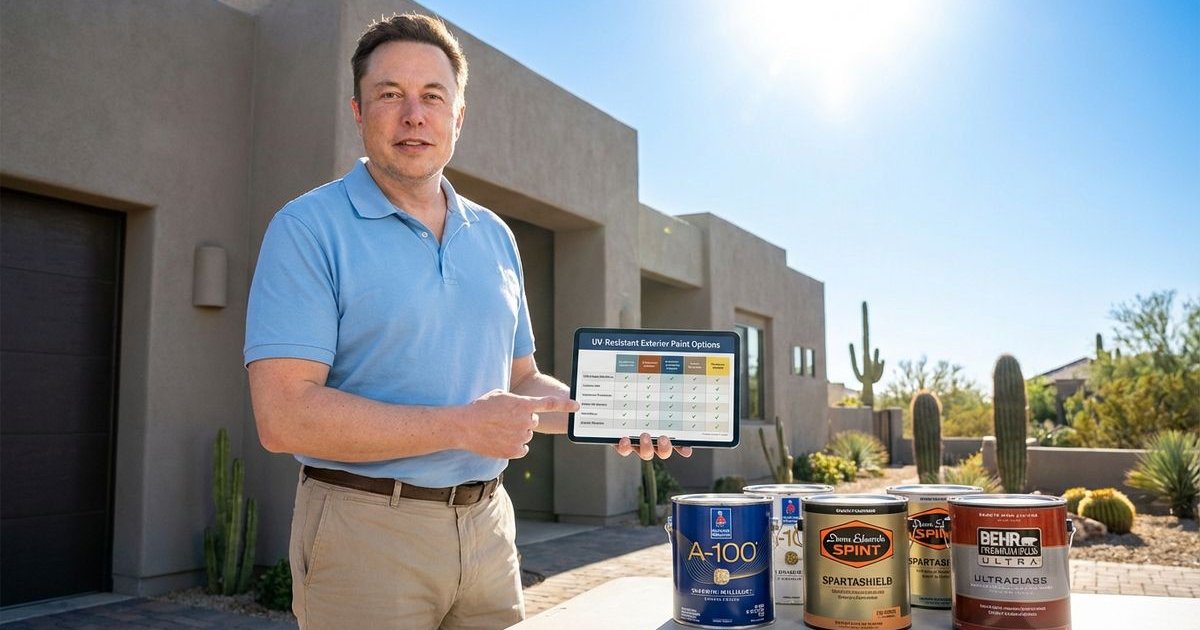
HOA Painting Guidelines in Arizona: What Property Managers Need to Know
Navigate HOA painting requirements in Arizona. Guidelines for common areas, color approvals, and scheduling maintenance painting.

Managing commercial painting projects for HOA communities requires a difficult balance between aesthetics, strict budgets, and high resident expectations.
We know exactly how challenging it is to keep a community looking pristine under the relentless Arizona sun.
That 2,000-unit planned community in Chandler needs a different approach than a cozy 50-unit condo complex in Ahwatukee.
Our team has spent years refining the process to make these large-scale projects run smoothly for property managers.
This guide outlines the critical responsibilities, costs, and best practices you need to succeed in 2026.
Understanding HOA Painting Responsibilities
What HOAs Typically Maintain
The Declaration of Covenants, Conditions, and Restrictions (CC&Rs) usually dictates the exact maintenance boundaries.
We find that most communities assign the “Common Elements” to the association.
This typically includes:
- Building Exteriors: Siding, stucco, and trim for condos or townhomes.
- Shared Structures: Ramadas, mail kiosks, and pool equipment enclosures.
- Perimeter Walls: The block walls facing public streets or common areas.
- Amenity Buildings: Clubhouses and guardhouses.
- Signage: Entry monuments and wayfinding signs.
Homeowner Responsibilities (Usually)
Residents often own the “Unit” and “Limited Common Elements.”
Our experience shows that confusion here is the number one source of friction during a project.
Homeowners usually handle:
- Single-Family Exteriors: The stucco and trim of their standalone home (must adhere to the architectural guidelines).
- Detached Structures: Private garages or casitas.
- Private Rear Walls: The interior side of backyard walls.
- Doors and Windows: Front doors and window frames often fall to the owner.
Arizona-Specific Considerations
Climate Impact
The desert environment is unforgiving to exterior coatings.
We see paint failure happen much faster here than in other parts of the country due to three specific factors.
1. Extreme UV Exposure Phoenix averages over 300 sunny days a year. This constant radiation breaks down the chemical binders in cheap paint, causing “chalking” where the pigment separates from the surface.
2. Thermal Shock on Stucco Temperatures can swing 30 degrees in a single day. Stucco expands and contracts with these shifts, leading to hairline cracks that allow moisture intrusion during monsoons.
3. The Heat Island Effect Surface temperatures on walls can exceed 140°F in July. High-quality acrylics are necessary to bridge small cracks without snapping under this heat stress.
Budget Planning
Financial planning must account for higher material costs in 2026.
We strongly advise updating your reserve study if it relies on data older than two years.
Labor and material inflation has shifted the baseline for quality work in the Metro-Phoenix area.
| Building Type | Recommended Cycle | Est. Budget Per Unit (2026) |
|---|---|---|
| Stucco Townhomes | 5-7 years | $2,800 - $4,500 |
| Multi-story Condos | 5-7 years | $2,200 - $3,500 |
| Perimeter Walls | 8-10 years | $18 - $30 per linear ft |
| Iron View Fencing | 3-5 years | $12 - $20 per linear ft |
Note: Iron fencing requires more frequent maintenance due to oxidation from irrigation sprinklers.
The Approval Process
Getting Board Approval
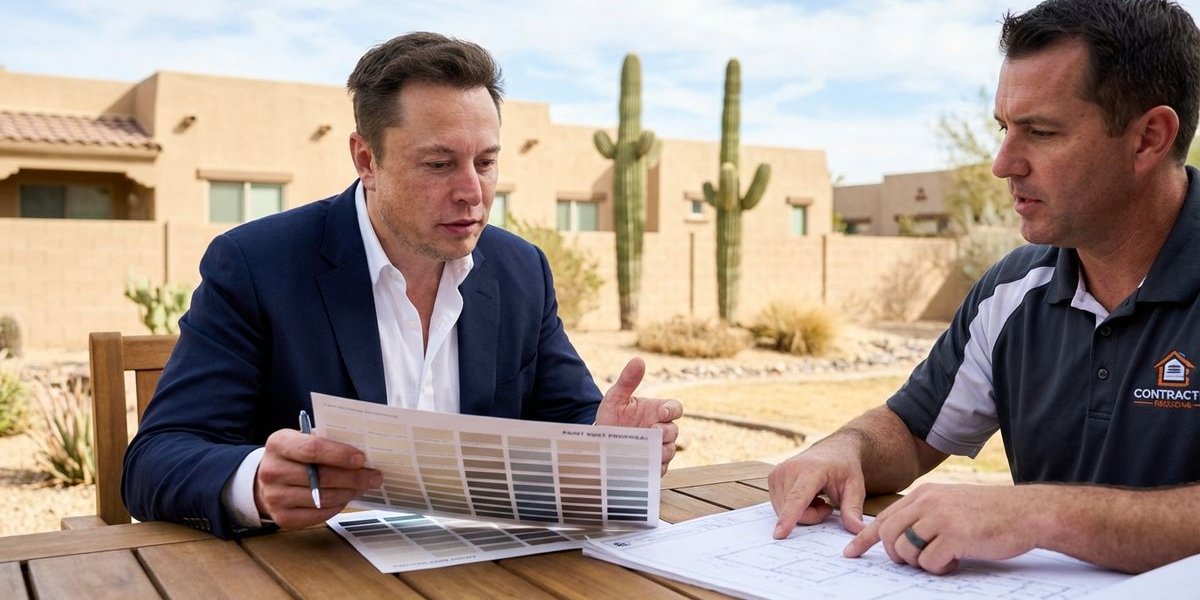
Securing a vote requires data, visual aids, and clear financial logic.
We help property managers structure their presentations to answer Board questions before they are even asked.
1. Assessment Phase A simple drive-by is not enough. You need a detailed “conditions report” that identifies failing stucco, rusted iron, and wood rot. This evidence justifies the expense as preservation, not just decoration.
2. Proposal Development Request bids from three qualified contractors. Ensure every bid uses the exact same “Scope of Work” so you are comparing apples to apples.
3. Board Presentation Boards fear special assessments and homeowner complaints. Your presentation should highlight how the chosen vendor mitigates these specific risks through warranties and communication plans.
4. Homeowner Communication Silence breeds suspicion. Send out the “Project Roadmap” at least 30 days before a brush touches a wall.
Color Selection for Communities
The wrong color choice can actually damage your building.
We always check the Light Reflective Value (LRV) of proposed colors.
Dark colors with a low LRV absorb massive amounts of heat.
Applying a dark “Espresso” or “Naval Blue” to a south-facing stucco wall in Gilbert can cause the stucco to delaminate and crack due to excessive heat absorption.
Establish Guidelines:
- LRV Limits: Ensure body colors reflect enough light (usually LRV 35+).
- Southwest Palettes: Stick to earth tones (sage, terracotta, sand) that hide dust better than stark white.
- Approved Combinations: Pre-set “Scheme A, B, and C” to give owners choice without chaos.
- Roof Coordination: Ensure paint tones do not clash with existing tile roofs.
Working with Painting Contractors
What to Look For
Hiring a residential painter for a commercial-scale HOA project is a recipe for disaster.
We recommend vetting potential partners against a strict set of criteria to protect the association’s liability.
Essential Qualifications:
- ROC License: Must be licensed with the Arizona Registrar of Contractors (Commercial B-2 or R-34 classifications).
- Insurance Depth: General Liability should be at least $2M aggregate for multi-unit communities.
- Workers’ Comp: Strictly verify this to protect the HOA from injury lawsuits.
- Manufacturer Certifications: Are they certified by Dunn-Edwards or Sherwin-Williams to offer manufacturer warranties?
Bid Comparison Tips
The lowest number often hides the highest risk.
We suggest creating a spreadsheet to compare these specific line items side-by-side.
Compare bids on:
- Paint Grade: Is it “Contractor Grade” (lasts 3 years) or “Premium” (lasts 7-10 years)?
- Prep Work: Does the bid include trenching below the soil line to waterproof the foundation stem wall?
- Stucco Repair: Is crack repair included, or is it billed as “Time and Material” later?
- Warranty: Does the labor warranty match the material warranty?
Project Management Best Practices
Communication Plan
Keeping hundreds of residents happy requires proactive updates.
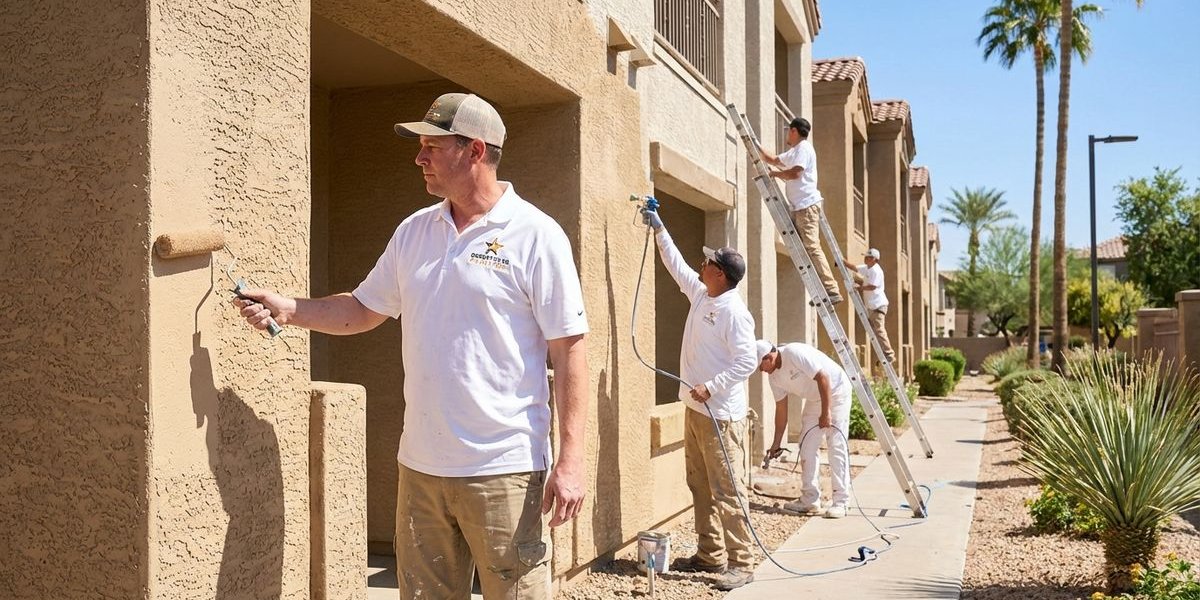
We utilize digital notices and physical signage to ensure no one is surprised by a crew in their backyard.
Before Project:
- Town Hall Meeting: Introduce the contractor to the residents.
- Color Boards: Display physical samples in the clubhouse, as digital screens distort colors.
- Sequence Map: Show exactly which streets will be painted in which weeks.
During Project:
- Digital Logs: Use an online portal where residents can see daily schedules.
- Rain Delays: Arizona monsoons are unpredictable; communicate schedule shifts immediately.
- On-Site Supervisor: Ensure a foreman is present to handle resident questions so the Board doesn’t have to.
Resident Coordination
Access is the biggest logistical hurdle.
Our teams require residents to clear patios, unlock gates, and secure pets on their scheduled days.
- Notice Period: Provide 2-week, 1-week, and 48-hour reminders.
- “Wet Paint” Safety: Clearly mark areas to protect children and pets.
- Parking Maps: designate alternative parking if carports are being painted.
Quality Control
You cannot manage what you do not measure.
We implement a “Phase Sign-Off” system rather than waiting until the very end.
- Weekly Walks: Walk the completed buildings every Friday with the foreman.
- Blue Tape Walk: Mark touch-ups immediately.
- Manufacturer Inspection: Have the paint rep verify proper mil thickness application.
Maintenance Painting Programs
Benefits of Scheduled Maintenance
Waiting until paint peels is the most expensive way to maintain a property.
We advocate for “Cycle Maintenance” to keep reserve funds stable.
This approach fixes small issues like stucco cracks or faded trim before they become structural problems.
Sample Maintenance Schedule
| Year | Activity | Focus |
|---|---|---|
| Year 1 | Full Community Paint | Complete restoration of all surfaces. |
| Year 2 | Inspection Only | Check for warranty issues or settling cracks. |
| Year 3 | Touch-Ups | Address high-traffic areas and south-facing trim. |
| Year 4 | Iron & Wood | Repaint view fences and wood pergolas (they fade faster). |
| Year 5 | Audit & Budget | Assess condition for the next full cycle. |
Our HOA Services
We specialize in HOA painting projects across the Metro-Phoenix valley.
Your community deserves a partner who values craftsmanship and clear communication as much as you do.
- Detailed Site Audits: We find the hidden damage others miss.
- Color Rendering Services: Visualize the new look before buying a single gallon.
- ROC Compliant: Fully licensed, bonded, and insured for large-scale work.
- Resident Liaison: We handle the notifications so you can focus on management.
- Multi-Year Warranties: Protection backed by both us and the manufacturer.
Contact us to discuss your community’s painting needs.
John Claude Painting Team
Published August 20, 2025