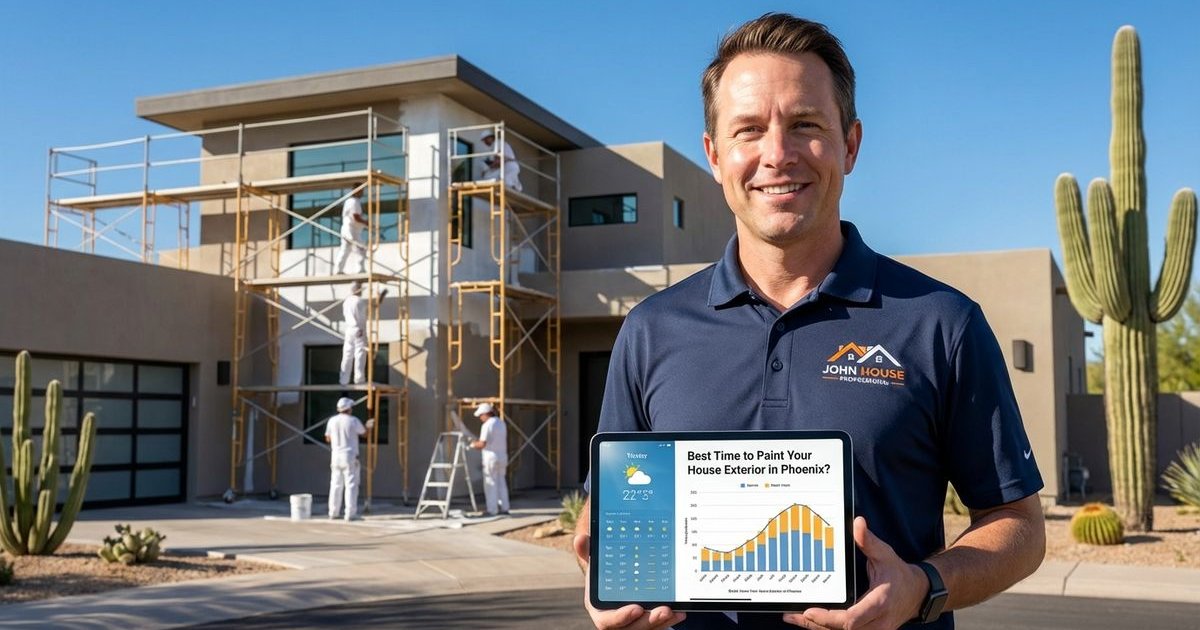
How Often Should You Repaint Interior Walls? Room-by-Room Guide
Learn how often to repaint each room in your home. From high-traffic areas to bedrooms, get expert advice on maintaining fresh interior paint.
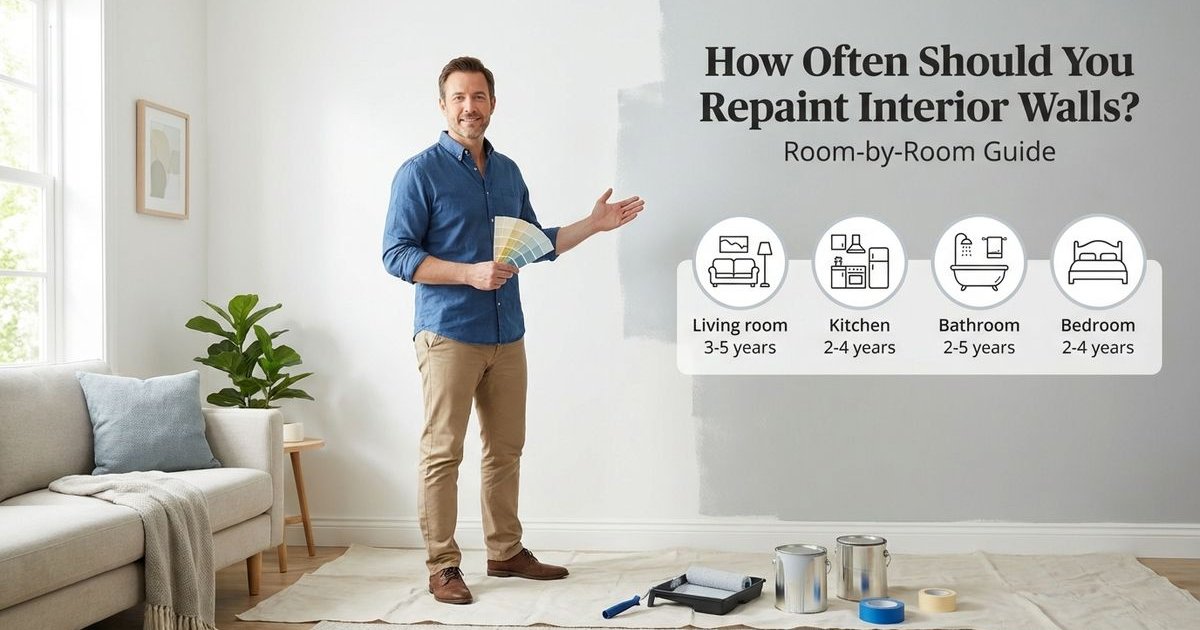
Knowing when to schedule interior painting is about more than just aesthetics. It is the key to protecting your biggest investment from the unique wear and tear we see here in the Valley.
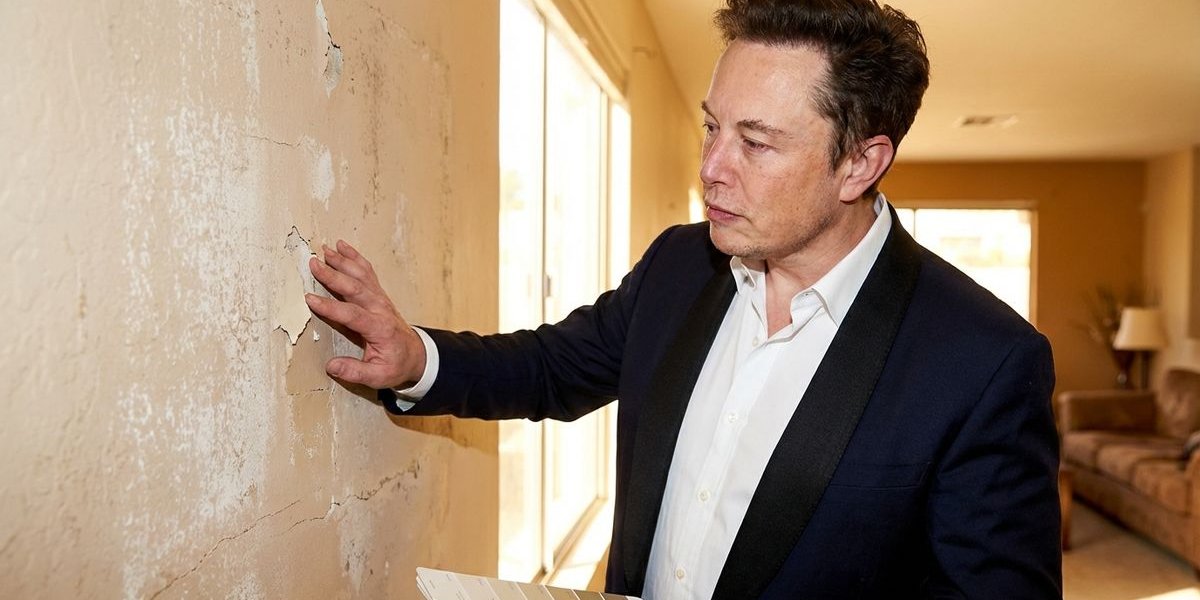
Most homeowners we talk to in Chandler and Gilbert assume they should wait until the paint starts peeling. But by that point, the damage to the drywall is often already done. The real indicator is usually much subtler: it’s when your walls stop coming clean no matter how much you scrub.
From our experience working in homes across Ahwatukee and Metro Phoenix, the “builder-grade” paint used in many newer subdivisions fails significantly faster than premium options. This guide breaks down the timeline for every room, explains the specific desert factors that ruin your finish, and provides a clear plan for what to do next.
General Guidelines by Room
The standard “5-7 year” rule doesn’t always apply here in Arizona, especially with the dust and texture issues we face. Here is a realistic timeline for our local homes:
| Room | Recommended Frequency | Why This Matters in Phoenix |
|---|---|---|
| Hallways & Staircases | 2-3 years | High traffic plus dust settling on textured walls. |
| Kids’ Bedrooms | 2-3 years | Scuffs, fingerprints, and lower-quality original paint. |
| Living Room | 5-7 years | Moderate use, but susceptible to UV fading from large windows. |
| Adult Bedrooms | 5-7 years | Light use and generally kept cooler/darker. |
| Kitchen | 3-4 years | Grease, heat, and hard water splashes near sinks. |
| Bathrooms | 3-4 years | Humidity traps in well-sealed AC environments. |
| Ceilings | 10+ years | Minimal wear unless there are roof leaks or settling cracks. |
Signs Your Walls Need Repainting
Visual Indicators
Fading from UV Exposure: The sun here is relentless. You will often notice that the paint near your south-facing windows has bleached out to a lighter shade than the rest of the room.
Chalking: This is a powdery residue that comes off when you run your hand across the wall. It signals that the paint’s binder has broken down due to heat or age.
Peeling or Bubbling: We frequently see this in bathrooms where moisture gets trapped behind the paint layer. It means the bond between the paint and the drywall has failed.
Cracking: Fine lines often appear near door frames or ceiling corners. In Gilbert and Chandler, these are common “settling cracks” caused by the ground shifting during our wet and dry cycles.
Functional Signs
The “Wet Rag” Test: If you wipe a scuff mark with a damp cloth and the paint comes off with the dirt, you have “flat” builder-grade paint. This type of paint has zero washability and needs to be upgraded.
Stains Show Through: Old grease spots or water stains bleeding through the current coat mean the primer layer has been compromised.
Dull Finish: You might see “flashing,” where originally semi-gloss areas look flat and patchy. This often happens after years of spot-cleaning.
Room-by-Room Breakdown
Hallways and Entryways
Frequency: Every 2-3 years
These areas are the highways of your home. We consistently see the most damage here because narrow spaces lead to more accidental contact with walls.
- The Dust Factor: Phoenix homes often have “knockdown” or “orange peel” texture. Dust settles on these tiny texture ridges and creates dingy gray streaks at shoulder height.
- Solution: Upgrade to a high-quality Acrylic Latex in a Satin finish. It provides a slicker surface that repels dust and can be wiped down without removing the paint.
- Protection: Installing wainscoting is a practical way to shield the lower half of the wall from shoe scuffs and bags.
Kids’ Rooms
Frequency: Every 2-3 years
Children are naturally tough on interiors. Their rooms face a unique set of challenges:
- The Damage List: Expect fingerprints, crayon marks, and dents from toys.
- The “Scrub” Problem: Parents often scrub these walls aggressively to clean them. If the paint is standard quality, this scrubbing removes the sheen and leaves a permanent dull spot.
- Solution: Use a “Scuff-Resistant” formula. These newer paints are chemically hardened to resist friction marks from plastic toys and shoes.
Kitchens
Frequency: Every 3-4 years
Cooking creates airborne grease that settles on walls and attracts dust.
- Heat & Moisture: The area behind your stove and near the dishwasher takes a beating from steam cycles.
- Hard Water: Arizona has very hard water. Splashes near the sink can leave mineral deposits that eat into lower-quality paint finishes over time.
- Tip: A Semi-Gloss finish is traditional here, but a high-end Satin is often better for hiding drywall imperfections while still offering washability.
Bathrooms
Frequency: Every 3-4 years
Moisture is the enemy of paint adhesion.
- The Steam Trap: Modern homes in the Valley are built tight for energy efficiency. This keeps AC in but also traps shower steam, which can cause paint to peel away from the drywall tape.
- Mold Risk: Even in a desert, condensation can lead to mildew growth in corners.
- Tip: We always recommend a dedicated “Bath and Spa” paint. These formulas have built-in antimicrobial agents that stop mold before it starts.
Living Rooms
Frequency: Every 5-7 years
These spaces generally stay in good condition longer due to lower impact traffic.
- UV Exposure: The biggest threat here is sunlight. Windows without high-quality tint allows UV rays to fade paint colors unevenly.
- Furniture Marks: Check the walls behind your sofa or recliners for friction spots where furniture rubs against the paint.
Bedrooms
Frequency: Every 5-7 years
Master bedrooms are typically the lowest-maintenance rooms in the house.
- Minimal Wear: Without heavy traffic or moisture, paint here usually ages out due to style preference rather than failure.
- Color Fatigue: You will likely want to change the color to update the room’s mood long before the paint actually fails.
Factors That Shorten Paint Life
Arizona-Specific Challenges
Intense Sunlight and Heat: Our windows amplify the sun’s power. UV rays break down the chemical bonds in paint binder, causing colors to fade and the finish to become chalky years ahead of schedule.
Monsoon Dust: Fine desert dust is abrasive. When it settles on your walls and you wipe it off dry, it acts like fine sandpaper. This microscopic scratching dulls the sheen over time.
Lifestyle Factors
- Smoking Indoors: Smoke leaves a sticky, yellow residue that is nearly impossible to clean without repainting.
- Pets: oily fur rubbing against walls leaves dark spots at “dog height” that often require a primer to cover.
- Large Families: More people simply means more friction, bumps, and humidity cycling.
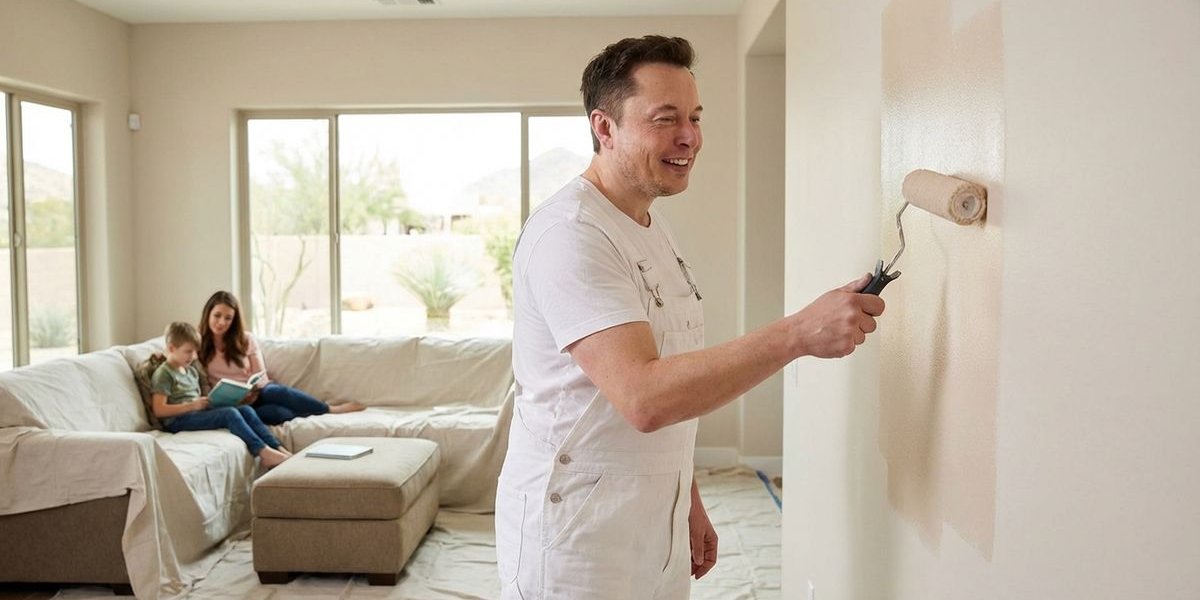
Tips to Extend Paint Life
Choose Quality Over Price
Builder-grade paint is roughly 30-40% water and filler. A premium paint typically has a higher volume of solids (pigment and binders), which means it forms a thicker, more durable shell on your wall.
| Feature | Builder Grade Paint | Premium Paint |
|---|---|---|
| Typical Lifespan | 2-3 Years | 10+ Years |
| Washability | Poor (Paint rubs off) | Excellent (Scrubbable) |
| Coverage | 2-3 Coats needed | 1-2 Coats needed |
| Fade Resistance | Low | High |
Use the Right Finish
- High-traffic areas: Satin or Semi-Gloss.
- Low-traffic areas: Matte or Eggshell (hides texture flaws better).
- Bathrooms/Kitchens: Satin or specialized moisture-resistant finishes.
Clean Walls Correctly
Never scrub a wall dry. We recommend using a soft vacuum attachment to remove the dust from the texture first. Then, use a damp cloth with a tiny drop of dish soap to gently blot stains.
Address Damage Promptly
Small nicks allow moisture and dirt to get under the paint film. Touching these up early prevents them from peeling into larger strips.
Maintain Humidity Levels
Keeping your home at a consistent temperature helps. Wide swings in temperature (like turning the AC off when you go on vacation in July) can cause drywall joints to expand and contract, cracking the paint.
What Does It Cost?
Pricing varies based on ceiling height and wall condition, but knowing the numbers helps you plan. In the Phoenix market for 2026, you can generally expect:
- Average Cost: $2.00 to $6.00 per square foot of floor space.
- Standard Bedroom: $350 - $800.
- Large Living Area: $900 - $2,000.
These ranges depend heavily on whether you are just changing color or if we need to repair drywall cracks and texture issues first.
When to Call a Professional
Consider professional repainting when:
- You have high ceilings or stairwells that are dangerous to reach.
- The walls require extensive drywall repair or re-texturing.
- You want a finish that looks like glass (sprayed) rather than orange peel (rolled).
- You are preparing to sell and need a neutral, fresh look to increase property value.
Ready for a Refresh?
If your walls are looking tired or you are seeing that tell-tale chalky residue, we can help. Contact us for a free estimate. We will assess your home’s specific needs and give you a clear, honest recommendation on which rooms need immediate attention and which ones can wait another year.
John Claude Painting Team
Published December 28, 2025